How to Organize Kid’s Toys After the Holidays
A Fast Post-Holiday Toy Sort
Holiday hosting and travel often mean toys end up everywhere. Do a quick reset using four simple categories:
Keep - actively used toys are those left on the couch or floor.
Donate - Purge those toys on the shelf that are never touched
Broken toys - immediately go to trash
Store for later - put some new toys out of reach for now, so they have a new thing next week!
Group Toys by Category
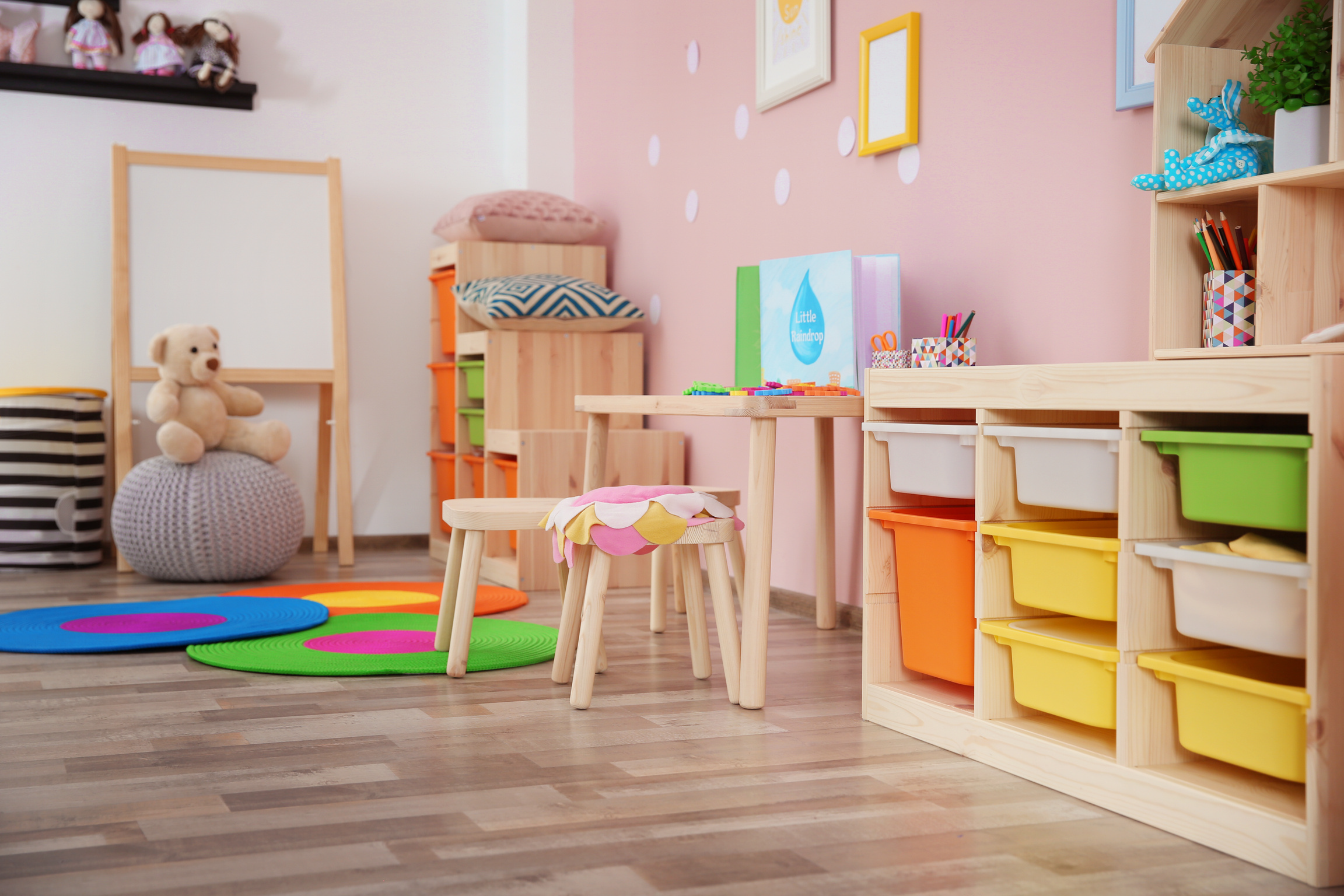
Organizing works best when kids can easily find — and return — their toys. Group similar items together, just like they do everyday at school. You’re creating a zone, so everything can have a home. Zones are kept general, so they can grow with your child, such as:
Building toys
Cars and vehicles
Dolls and action figures
Arts and crafts
Games and puzzles
A Simple 5-Step Guide for Families in Atlanta, Decatur, Brookhaven & Druid Hills
The holidays bring joy, connection, and wonderful memories — but they also bring toy overload. After hosting guests, traveling, and juggling busy schedules, many families in Atlanta, Decatur, Brookhaven, and Druid Hills find themselves overwhelmed by cluttered playrooms, living rooms, and bedrooms.
The good news? You don’t need an extreme decluttering marathon to get your home back on track. With a simple, realistic plan, you can organize kids’ toys efficiently — even when life feels full.
Here’s an easy 5-step toy organization method designed for busy families in the Atlanta metro area.
Step 1: Choose One Small Area to Organize
Instead of trying to organize the entire house, start with one manageable space — a playroom closet, toy basket, or living room corner.
Families in Brookhaven and Druid Hills often balance work, school, and extracurriculars, so starting small helps prevent burnout and builds momentum.
Pro tip: Set a 15–20 minute timer and stop when it ends.
Step 2: Do a Fast Post-Holiday Toy Sort
Holiday hosting and travel often mean toys end up everywhere. Do a quick reset using four simple categories:
Keep - actively used toys are those left on the couch or floor.
Donate - Purge those toys on the shelf that are never touched
Broken toys - immediately go to trash
Store for later - put some new toys out of reach for now, so they have a new thing next week!
This step alone can dramatically reduce clutter in homes across Atlanta and Decatur.
Step 3: Group Toys by Category
Organizing works best when kids can easily find — and return — their toys. Group similar items together, just like they do everyday at school. You’re creating a zone, so everything can have a home. Zones are kept general, so they can grow with your child, such as:
Building toys
Cars and vehicles
Dolls and action figures
Arts and crafts
Games and puzzles
You don’t need expensive bins. Labeled baskets or clear containers work perfectly to organize family homes throughout Decatur and the Atlanta area.
Step 4: Limit Everyday Toy Access
One of the most effective organizing strategies is not having every toy out at once. Select a reasonable number of toys for daily use and store the rest.
Toy rotation is especially popular with families in Brookhaven and Druid Hills because it:
Reduces daily mess
Makes cleanup faster
Keeps kids more engaged
Step 5: Build a Simple Daily Cleanup Habit
End each day with a 5-minute family reset. Set a timer, turn on music, and have everyone help put toys back where they belong. You can tell Alexa to create a reminder each day.
Consistency is key — this small habit helps maintain organized homes throughout Atlanta long after the holidays are over.
When Organizing Feels Like Too Much
If you’re feeling overwhelmed, you’re not alone. Many parents reach out for professional organizing services in Atlanta, Decatur, Brookhaven, and Druid Hills when life feels especially full.
A professional organizer can help you:
Create toy systems that actually last
Declutter without judgment
Reclaim calm, functional spaces
Save time and mental energy
Ready for a Calm, Organized Home?
If you’re ready to simplify your home and take toy organization off your plate, professional home organizing services can make all the difference.
✨ Serving families in Atlanta, Decatur, Brookhaven, and Druid Hills
👉 Contact us today to schedule a toy organization or whole-home organizing consultation and start the new season with less clutter and more peace.
Ultimate Guide to Organize Your Pantry
When organized properly, your butler’s pantry becomes a functional and beautiful extension of your kitchen.
Declutter Before You Organize
Before buying bins, baskets, or labels, start with a clean slate:
1. Empty everything out – Yes, everything. Spread it on a table so you see what you have.
2. Check expiration dates – Toss anything outdated.
The butler’s pantry has come a long way from its origins as a storage space for fine china and silver. Today, it often serves multiple purposes:
-Overflow storage
-Entertaining prep zone for serving platters, glassware
-Coffee & beverage station tucked neatly away
A well-organized butler’s pantry can transform your kitchen experience. Whether you’re an avid entertainer, a busy parent juggling weeknight dinners, or simply someone who values a clutter-free home, the butler’s pantry can serve as your secret weapon for streamlined living. With thoughtful planning, you can turn this often-overlooked space into a hub of efficiency and elegance.
In this guide, we’ll walk through practical tips, organizing styles, and personalized strategies to set up your pantry. You’ll also find advice for homeowners across the Atlanta Metro area—Decatur, Buckhead, Brookhaven, and beyond— where warm climates and in-town homes often call for unique organizing solutions. With our organizing guide, your butler’s pantry will become one of your favorite rooms in the house.
Why Organizing a Butler’s Pantry Matters
The butler’s pantry has come a long way from its origins as a storage space for fine china and silver. Today, it often serves multiple purposes:
* Overflow storage for bulk groceries and kitchen gadgets
* Entertaining prep zone for serving platters, glassware, and linens
* Coffee or beverage station tucked neatly away from the main kitchen
* Daily-use hub for snacks, cereals, and lunch-packing supplies
When this space is cluttered or underutilized, it can quickly become a catch-all for mismatched dishes, half-used ingredients, and appliances you never touch. But when organized properly, your butler’s pantry becomes a functional and beautiful extension of your kitchen.
Step 1: Declutter Before You Organize
Before buying bins, baskets, or fancy labels, start with a clean slate:
1. Empty everything out – Yes, everything. Spread it on a table so you see what you have.
2. Check expiration dates – Toss anything outdated or stale.
3. Donate duplicates – If you have duplicate mixers, and only use one, donate the extra.
4. Take inventory – This will help determine how much storage space you really need.
Step 2: Categorize by Function
Once you’ve decluttered, categorize your items into groups. Categories may include:
* Dry goods (pasta, rice, baking ingredients)
* Canned goods
* Entertaining supplies (platters, serving bowls, cheese boards)
* Small appliances (stand mixer, toaster, slow cooker)
* Glassware and barware
* Linens (napkins, tablecloths, runners)
* Coffee & tea station - This step ensures you store items together logically, so you don’t have to hunt for that one missing spice or cocktail shaker.
Step 3: Choose Your Organizing Style
Everyone has a different approach to home organization. Your personality, lifestyle, and aesthetic preferences will shape how you set up your butler’s pantry. Below are the three most common organizing styles, along with suggestions tailored for each.
1. The MinimalistStyle Traits:
* Loves clean lines, uncluttered shelves, and neutral colors
* Focuses on quality over quantity
* Prefers multi-functional tools and simple systems
Tips for the Minimalist Butler’s Pantry:
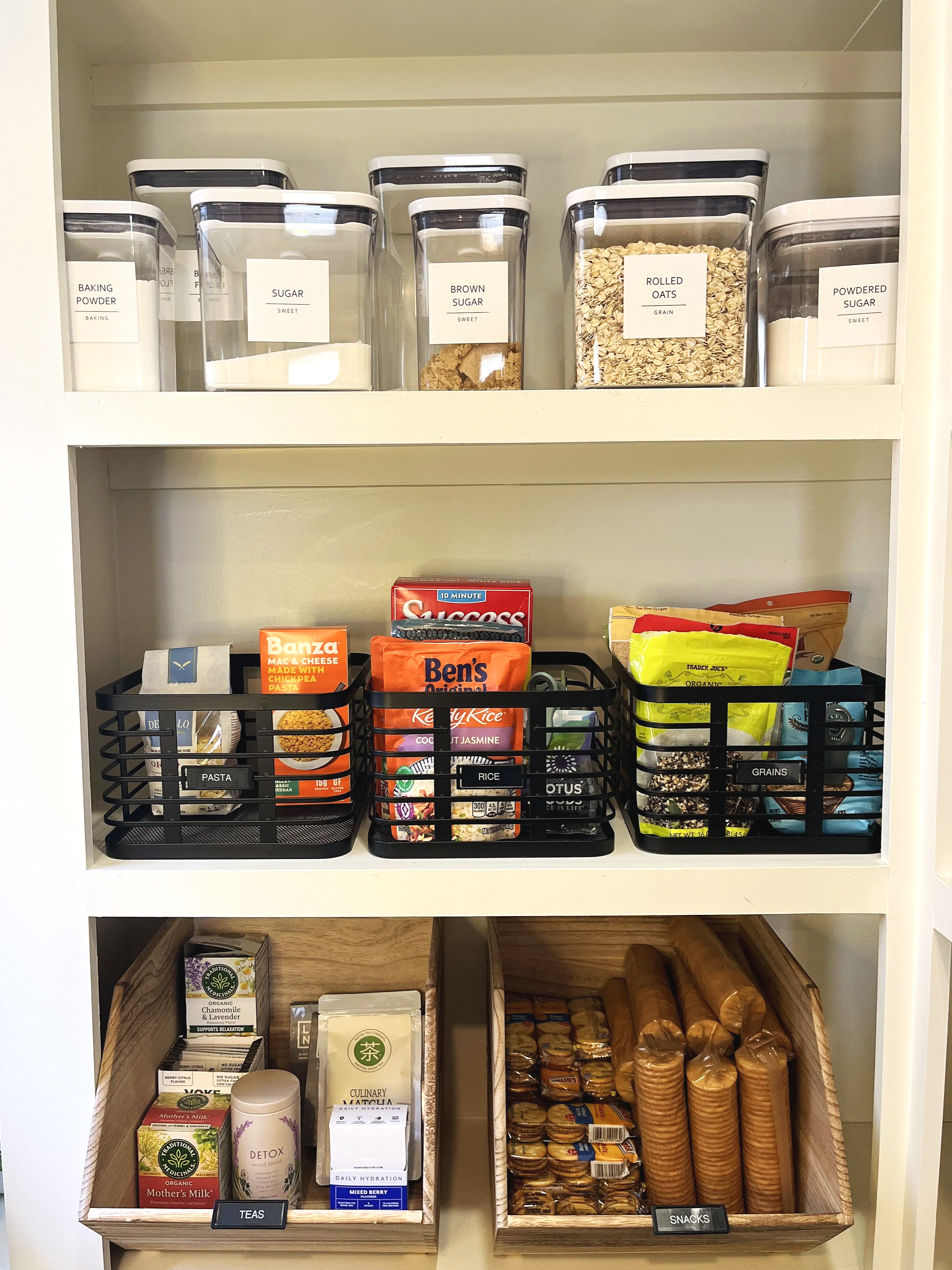
* Use matching glass jars for dry goods—no colorful packaging in sight.
* Stick to a monochrome palette (white bins, clear canisters, sleek labels).
* Keep countertops clear, reserving surfaces for actual prep.
* Limit duplicates (you don’t need five cutting boards).
2. The Maximalist Style Traits:
* Enjoys color, variety, and abundance
* Likes to see items on display, not hidden away
* Often entertains and needs access to “just in case” supplies
Tips for the Maximalist Butler’s Pantry:
* Use open shelving to display vibrant dishes or colorful glassware.
* Incorporate woven baskets in multiple sizes to corral bulk items.
* Create a dedicated “entertaining shelf” with wine, cocktail mixers, and serving trays.
* Add decorative labels that reflect personality—chalkboard tags or bold fonts.
3. The Practicalist Style Traits:
* Prefers function over form
* Wants fast access to everyday items
* Likes categories but isn’t focused on aestheticsTips for the Practicalist Butler’s Pantry:
* Use stackable plastic bins or crates for easy access.
* Keep snacks at kid level for independent grab-and-go.
* Group items by usage (all baking items in one zone, all breakfast items in another).
* Use sturdy shelves for heavy appliances, making them accessible but out of the main kitchen.
Step 4: Invest in Smart Storage Solutions
No matter your style, smart storage can make or break your butler’s pantry. Consider the following:
* Clear containers – Great for pasta, flour, sugar, cereal, and snacks.
* Lazy Susans – Perfect for oils, vinegars, and condiments.
* Tiered shelving – Keeps canned goods visible and accessible.
* Pull-out drawers – Ideal for small appliances or bulk storage.
* Over-the-door racks – A clever way to store spices, foil, and wraps.
* Wine racks or beverage drawers – Helpful for entertaining in Decatur where gatherings are frequent.
Step 5: Make It Functional for Your Lifestyle
Ask yourself: What do I actually use this space for?
* Frequent entertainer in Atlanta or Decatur? Create a wine-and-cheese prep zone.
* Busy parent in Decatur or Atlanta? Dedicate shelves for after-school snacks and lunch-packing bins.
* Small in-town Atlanta home, with a compact butler’s pantry? Maximize vertical storage and use slim rolling carts.
* Homes in Georgia should consider a focus on airtight containers to protect food from humidity and pests. Organizing isn’t just about what looks good—it’s about how your pantry serves your everyday life.
Step 6: Label Everything
Labels may seem like a small detail, but they make all the difference. Not only do they keep your system consistent, but they also make it easier for family members (or houseguests) to find what they need.
Labeling Options:
* Minimalist: clear vinyl labels in a clean font
* Maximalist: colorful tags or chalkboard labels
* Practicalist: simple masking tape and a Sharpie
Step 7: Keep Up with Maintenance
Even the best-organized butler’s pantry needs upkeep. Build in quick habits:
* Weekly five-minute tidy-up – Put items back in the correct bin or shelf.
* Monthly check – Rotate food and toss expired goods.
* Seasonal refresh – Revisit categories as needs shift (summer BBQ gear vs. holiday baking supplies). Regional Touch: Pantry Organizing in the South Homes in the South—Georgia, Texas, Florida, and the Carolinas— often feature larger kitchens and pantries, but they also face unique challenges like humidity and seasonal entertaining. Here are a few region-specific tips:
* Combat humidity – Use airtight, pest-proof containers for flour, sugar, and snacks.
* Outdoor living lifestyle – Store BBQ and grill supplies in bins for easy transport to patios or outdoor kitchens.
Common Mistakes to Avoid
1. Overstuffing shelves – Negative space is important.
2. Buying storage before decluttering – Avoid bins you don’t need.
3. Ignoring your household’s habits – If your kids won’t put cereal back in a tall jar, don’t force it.
4. Forgetting maintenance – A “set it and forget it” approach doesn’t work long-term.
Bringing It All Together
An organized butler’s pantry doesn’t just look beautiful—it makes your home more efficient and your life less stressful. By decluttering, categorizing, choosing an organizing style, and investing in smart solutions, you’ll create a space that supports your lifestyle. Whether you’re in Atlanta or Decatur, these tips can help you design a pantry that works as hard as you do. Take it step by step, use the right tools, and keep up with maintenance, and soon your butler’s pantry will become one of your favorite rooms in the house.
Ready to transform your pantry into a space that actually serves you? Schedule a free phone consultation with our home organization team today. We’ll help you design a pantry system that matches your lifestyle.
Your butler’s pantry has the potential to be more than just a storage zone—it can be a beautifully efficient part of your home. Whether you’re a minimalist, maximalist, or practicalist, there’s an organizing style that fits your personality and household needs. Keywords IntegratedHome organization keywords: pantry organization, butler’s pantry storage, kitchen organization, declutter pantry, home storage solutions, organizing styles.

Small Steps Create Big Shifts
It All Begins Here
Confidence doesn’t always arrive with a bold entrance. Sometimes, it builds quietly, step by step, as we show up for ourselves day after day. It grows when we choose to try, even when we’re unsure of the outcome. Every time you take action despite self-doubt, you reinforce the belief that you’re capable. Confidence isn’t about having all the answers — it’s about trusting that you can figure it out along the way.
The key to making things happen isn’t waiting for the perfect moment; it’s starting with what you have, where you are. Big goals can feel overwhelming when viewed all at once, but momentum builds through small, consistent action. Whether you’re working toward a personal milestone or a professional dream, progress comes from showing up — not perfectly, but persistently. Action creates clarity, and over time, those steps forward add up to something real.
You don’t need to be fearless to reach your goals, you just need to be willing. Willing to try, willing to learn, and willing to believe that you’re capable of more than you know. The road may not always be smooth, but growth rarely is. What matters most is that you keep going, keep learning, and keep believing in the version of yourself you’re becoming.

Turn Intention Into Action
It All Begins Here
Confidence doesn’t always arrive with a bold entrance. Sometimes, it builds quietly, step by step, as we show up for ourselves day after day. It grows when we choose to try, even when we’re unsure of the outcome. Every time you take action despite self-doubt, you reinforce the belief that you’re capable. Confidence isn’t about having all the answers — it’s about trusting that you can figure it out along the way.
The key to making things happen isn’t waiting for the perfect moment; it’s starting with what you have, where you are. Big goals can feel overwhelming when viewed all at once, but momentum builds through small, consistent action. Whether you’re working toward a personal milestone or a professional dream, progress comes from showing up — not perfectly, but persistently. Action creates clarity, and over time, those steps forward add up to something real.
You don’t need to be fearless to reach your goals, you just need to be willing. Willing to try, willing to learn, and willing to believe that you’re capable of more than you know. The road may not always be smooth, but growth rarely is. What matters most is that you keep going, keep learning, and keep believing in the version of yourself you’re becoming.

Make Room for Growth
It All Begins Here
Confidence doesn’t always arrive with a bold entrance. Sometimes, it builds quietly, step by step, as we show up for ourselves day after day. It grows when we choose to try, even when we’re unsure of the outcome. Every time you take action despite self-doubt, you reinforce the belief that you’re capable. Confidence isn’t about having all the answers — it’s about trusting that you can figure it out along the way.
The key to making things happen isn’t waiting for the perfect moment; it’s starting with what you have, where you are. Big goals can feel overwhelming when viewed all at once, but momentum builds through small, consistent action. Whether you’re working toward a personal milestone or a professional dream, progress comes from showing up — not perfectly, but persistently. Action creates clarity, and over time, those steps forward add up to something real.
You don’t need to be fearless to reach your goals, you just need to be willing. Willing to try, willing to learn, and willing to believe that you’re capable of more than you know. The road may not always be smooth, but growth rarely is. What matters most is that you keep going, keep learning, and keep believing in the version of yourself you’re becoming.